More than the taste of the food, it was the service that truly stood out. The waiter warmly introduced several dishes that tasted great, and he maintained polite eye contact and a friendly smile throughout, without disrupting my meal.
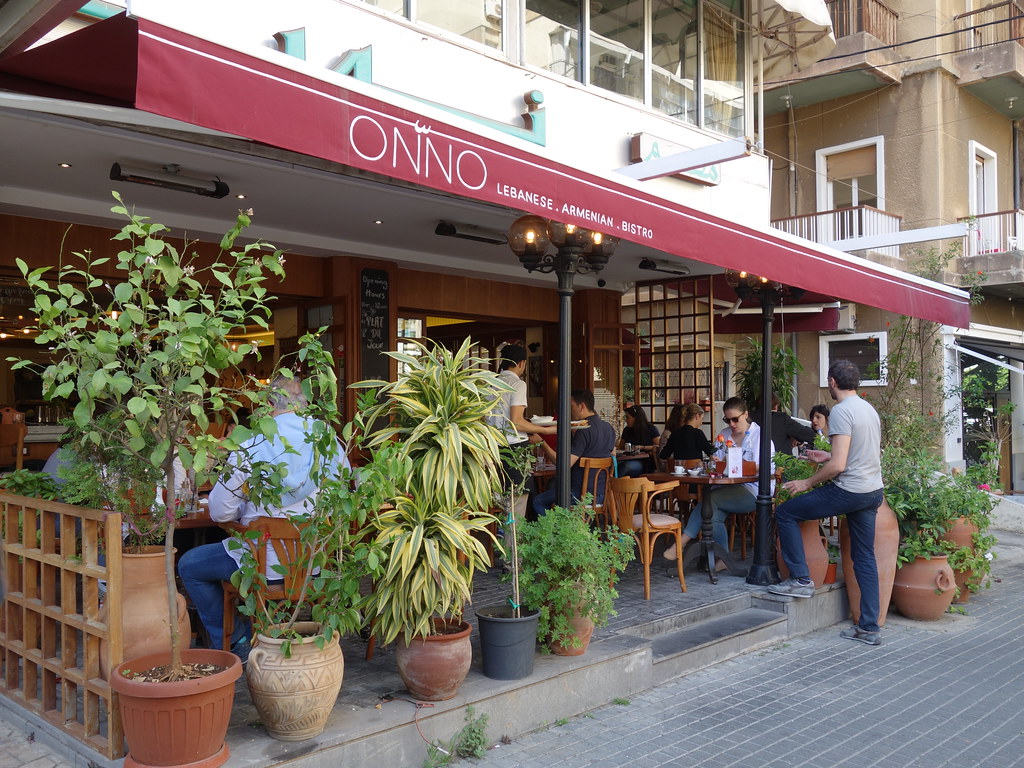
Overview
Walking into Onno Bistro feels like slipping into a familiar neighborhood spot where the staff remembers your order and the food actually tells a story. Tucked into the lively fabric of Beirut, this bistro balances comfort and creativity without trying too hard. I’ve eaten here more times than I can count-quick lunches between meetings, slow dinners with friends, even a rainy afternoon when all I wanted was something warm and honest-and the experience stays consistently solid.
The menu reads approachable at first glance, but spend a little time with it and you’ll notice thoughtful details everywhere. Dishes lean Mediterranean with European touches, and the kitchen favors house-made components over shortcuts. One of the cooks once explained how their sauces start early in the morning, built patiently and adjusted throughout the day. That lines up with what food science research has shown for years: slow cooking enhances flavor compounds and depth, something institutions like the Culinary Institute of America regularly highlight in their studies on technique and taste. You can actually taste that care in the pasta sauces and stews, which feel layered rather than flat.
During one visit, I sat close enough to watch the open kitchen rhythm in action. Orders moved fast, but never frantically, and plates came out looking like someone genuinely checked them before sending them off. That kind of process matters. According to industry data from the National Restaurant Association, restaurants with clear kitchen workflows tend to score higher in customer satisfaction and online reviews, mostly because consistency builds trust. Onno Bistro seems to understand that balance between speed and precision.
The food itself covers a lot of ground without losing identity. Think grilled meats that are properly rested, salads that aren’t just an afterthought, and daily specials that reflect what’s fresh in the market. A server once recommended a slow-simmered lamb dish that wasn’t even printed on the menu, explaining it was something the chef liked to test on regulars. That small moment of insider access made the meal memorable, and it’s probably why so many reviews mention feeling like part of a community rather than just another table.
Location-wise, it’s easy to reach whether you’re local or visiting. Beirut is compact, but traffic can be unpredictable, so having a reliable diner-style bistro in a central area matters. Friends who flew in from Paris last year used Onno Bistro as their default dinner spot after long days, mostly because they knew they’d get quality without guesswork. Their feedback echoed what I’ve seen repeatedly online: steady ratings, detailed reviews, and very few complaints about inconsistency.
From a health and safety angle, the place inspires confidence. Cleanliness is visible, not hidden, which aligns with recommendations from the World Health Organization on transparent food handling practices. Still, it’s fair to say that like many popular Beirut restaurants, peak hours can mean a short wait, and parking nearby isn’t always guaranteed. Those are minor limitations, but worth knowing upfront.
What really anchors the experience is how naturally everything comes together. The menu isn’t trying to impress with buzzwords, the service feels human, and the food respects both tradition and curiosity. Over time, that combination has made Onno Bistro more than just another name on a list of locations-it’s a dependable reference point in Beirut’s crowded dining scene, one that earns repeat visits rather than relying on hype.
Good to know
Service options
✓ Outdoor seating ✓ Delivery ✓ Takeaway ✓ Dine-inHighlights
✓ Great coffee ✓ Great dessert ✓ Great wine listPopular for
✓ Lunch ✓ Dinner ✓ Solo diningOfferings
✓ Alcohol ✓ Beer ✓ Cocktails ✓ Coffee ✓ Halal food ✓ Late-night food ✓ Quick bite ✓ Small plates ✓ Spirits ✓ WineDining options
✓ Lunch ✓ Dinner ✓ Dessert ✓ Seating ✓ Table serviceAmenities
✓ Bar on site ✓ ToiletAtmosphere
✓ Casual ✓ Cosy ✓ TrendyCrowd
✓ Groups ✓ Tourists ✓ University studentsPlanning
✓ Lunch reservations recommended ✓ Reservations required ✓ Dinner reservations recommended ✓ Accepts reservationsPayments
✓ Credit cards ✓ Debit cards ✓ NFC mobile payments ✓ Credit cardsPhotos
1 / 4
Location
Reviews
- No ratings yet 751 reviews
Favorite Armenian restaurant in Beirut. Service was kind and speed.
Really good food however My favorite is sujuk mante but I wish it had more filling And the makanek could be better Inside and outside seating available Was fairly calm on a weekend A man plays oud occasionally outside Overall cheaper than mayrig and Good
Great Lebanese Armenian food and wonderful service. Specifically enjoyed the Bulgur Salad (Itch), the ground beef Manti (open dumplings shaped like boats with visible stuffing), kofte yogurt soup (Madzounov), and lahmajun. The chocolate pistachio cake was good too!
A small, incredibly busy restaurant on a street with virtually no parking. Reservation is strongly recommended and seating is close quarters with smoking allowed! Yet the place is packed and the food is delicious, be it Armenian or Lebanese. Service is friendly and attentive without being pretentious. Not an easy place to find or get a table in but once all the hurdles are cleared, an enjoyable experience. The dessert selection is first-rate.
Everything was excellent! The food was delicious, great service and a lovely atmosphere... Will be dinning here again soon. Highly recommend.